Did you know?
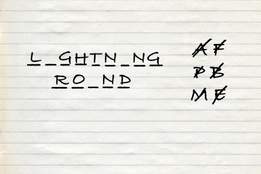
The modern language closest to Latin is Italian, and the Italian word linguine means literally "little tongues". Linguine is only one of the types of pasta whose names describes their shapes. Others include spaghetti ("little strings"), fettuccine ("little ribbons"), penne ("little quills"), orzo ("barley"), farfalle ("butterflies"), vermicelli ("little worms"), capellini ("little hairs"), fusilli ("little spindles"), and radiatori ("little radiators"). If you're thinking about learning Italian, you could make a good start by just visiting an Italian restaurant.
Examples of linguine in a Sentence
 Noel Burgess,
Forbes.com,
1 July 2026
More Italian-style dishes include linguine carbonara, pasta primavera, and seafood ravioli.
—
Jenna Thompson
june 16,
Kansas City Star,
16 June 2026
The noodles themselves are just as varied, with popular types like penne, linguine, rigatoni and farfalle each bringing their own texture and appeal.
—
Daryl Austin,
USA Today,
24 May 2026
Don’t miss the tuna sashimi and black squid ink linguine.
—
Condé Nast,
Condé Nast Traveler,
20 May 2026
See All Example Sentences for linguine
Noel Burgess,
Forbes.com,
1 July 2026
More Italian-style dishes include linguine carbonara, pasta primavera, and seafood ravioli.
—
Jenna Thompson
june 16,
Kansas City Star,
16 June 2026
The noodles themselves are just as varied, with popular types like penne, linguine, rigatoni and farfalle each bringing their own texture and appeal.
—
Daryl Austin,
USA Today,
24 May 2026
Don’t miss the tuna sashimi and black squid ink linguine.
—
Condé Nast,
Condé Nast Traveler,
20 May 2026
See All Example Sentences for linguine
Cite this Entry
“Linguine.” Merriam-Webster.com Dictionary, Merriam-Webster, https://www.merriam-webster.com/dictionary/linguine. Accessed 6 Jul. 2026.
 Copy Citation