Illustration of oat
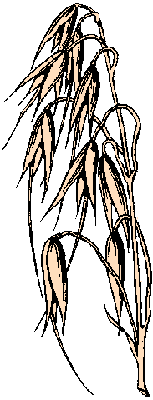
- oat 1a
 Randi Gollin,
Martha Stewart,
1 July 2026
Mention of the farm brought to mind a make-believe oasis of sunshine, warm fields of thick, green grass, fat red apples hanging from a tree, oats mixed with brown sugar in the trough, and a cool, clear stream winding through the center of it all.
—
Will MacKin,
New Yorker,
28 June 2026
Nutrition research indicates that pairing oats with protein or healthy fat helps control blood sugar and satiety (the feeling of fullness).
—
Anna Giorgi,
Verywell Health,
26 June 2026
Some of the best high-fiber foods include oats, beans, berries, lentils, and vegetables.
—
Lindsey Desoto,
Health,
25 June 2026
See All Example Sentences for oat
Randi Gollin,
Martha Stewart,
1 July 2026
Mention of the farm brought to mind a make-believe oasis of sunshine, warm fields of thick, green grass, fat red apples hanging from a tree, oats mixed with brown sugar in the trough, and a cool, clear stream winding through the center of it all.
—
Will MacKin,
New Yorker,
28 June 2026
Nutrition research indicates that pairing oats with protein or healthy fat helps control blood sugar and satiety (the feeling of fullness).
—
Anna Giorgi,
Verywell Health,
26 June 2026
Some of the best high-fiber foods include oats, beans, berries, lentils, and vegetables.
—
Lindsey Desoto,
Health,
25 June 2026
See All Example Sentences for oat
“Oat.” Merriam-Webster.com Dictionary, Merriam-Webster, https://www.merriam-webster.com/dictionary/oat. Accessed 6 Jul. 2026.
oat
noun Copy Citation