What's so extra about 'extra-virgin'?
The technical vocabulary hiding in your kitchen cabinet
What to KnowWhen a bottle of olive oil is labeled extra-virgin, it is not making an aesthetic claim about the oil's character or moral purity. It is telling you something specific about how the oil was processed: namely, that it wasn't. Processed, that is.
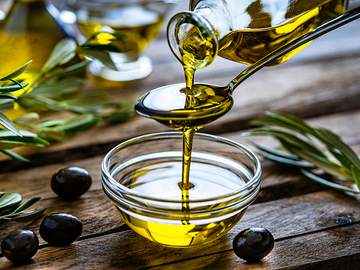
There is a decent chance that you have a bottle of extra-virgin olive oil in your kitchen right now. There is an equally decent chance that you have never paused to consider what the word extra is doing there, or why olive oil, of all things, requires a virginity classification in the first place.
In the context of oils and fats, virgin has long been used to mean "obtained from the first light pressing and without heating,” or, more broadly, "unprocessed." A virgin oil is one that has not been subjected to chemical treatment, heat refining, or other industrial interventions. It comes from the source as nature left it (more or less).
Extra-virgin, when used of olive oil, functions as a superlative. It designates oil that meets even stricter standards than ordinary virgin oil, including a lower acidity level (no more than 0.8% oleic acid) and sensory standards evaluated by trained olive oil tasters (yes, this is a real profession). The result retains higher concentrations of antioxidants and polyphenols, and possesses that characteristic peppery finish that will make you cough if you are not expecting it. Olive oil is hardly alone in having acquired a taxonomy of quality-signaling adjectives that most shoppers encounter without fully understanding.
Consider prime, as it appears before the word beef. This is not a term that some enterprising butcher coined to make a cut sound more appealing. It is an official designation assigned by the United States Department of Agriculture, one of eight grades the agency uses to rank beef. Prime represents the highest quality in terms of marbling (the intramuscular fat that gives beef its flavor and tenderness) and maturity of the animal. Below it sit choice and select, the grades most commonly encountered at the supermarket; the remaining five grades are rarely, if ever, marketed directly to consumers.
Then there is heavy cream. The adjective heavy here is a matter of fat content rather than physical weight, though the two are not entirely unrelated. Heavy cream is required by regulation to contain no less than 36% milk fat, which is what gives it both its richness and its ability to be whipped into something resembling a cloud. Whipping cream sits just below this threshold, typically containing 30 to 35% milk fat; enough to whip, but more modestly. Half-and-half, at 10 to 18%, cannot be whipped at all, a fact that many hopeful home cooks have discovered at an inopportune moment.
What emerges from a tour of the grocery store is a picture of a food supply governed, in no small part, by regulatory bodies whose influence on everyday language is almost entirely invisible to the people using that language. The USDA grades your beef. The FDA defines your cream. The International Olive Council (formerly known as the International Olive Oil Council) sets the standards your olive oil must meet before it earns its extra designation.
These words (prime, heavy, extra-virgin) are not mere marketing. They are, in their way, a form of vocabulary: a shared shorthand for a complex set of standards that most of us are content to outsource to the relevant authorities. Whether this constitutes an admirable efficiency or an alarming abdication of taste is, perhaps, a matter best left for another occasion.
In the meantime, that bottle of extra-virgin olive oil in your cabinet is doing honest linguistic work. It is telling you, in two words, that no chemicals were involved, no heat was applied, and that somewhere, at some point, a trained taster confirmed that the oil in question tastes like what it is. Which is, when you consider it, a fairly extraordinary thing to have written on a bottle of salad dressing.