Why do we call it a 'pipe dream'?
Hint: 19th century drug use
A pipe dream is an illusory or fantastical plan, hope, or story—an aspiration that is unlikely to be realized. It’s worth considering what a curious thing this combination of words is, linguistically speaking. The word pipe in ordinary usage brings to mind household plumbing, or maybe the sort of thing a tweedy professor might clench in his teeth. Dream is similarly benign, bringing to mind wishes and desires for the future.
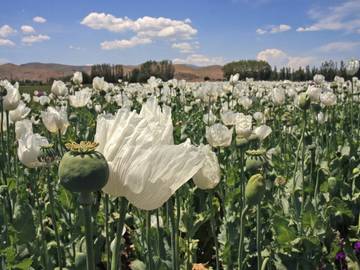
Pipe dream, however, has little to do with these senses. It comes from the hallucinatory visions associated with smoking an opium pipe. That drug has long since been outlawed across much of the world, but the expression, stripped of its narcotic associations, lives on. There is no hint of illegality in the phrase as it is used today; it merely offers a sympathetic acknowledgment that some dreams are better savored than pursued.
Opium use was considerably more common in the 19th century than it is today. Those who smoked it were known to experience vivid hallucinations and an intensely dreamlike state. The earliest evidence we have of pipe dream in any form comes the United Kingdom in the 1860s, when it was occasionally used in a somewhat literal fashion, functioning more as a simile than a metaphor.
To attempt to create an iron fleet in the present condition of Turkish finance reads more like an opium-pipe dream than a soberly conceived resolution.
— The Saint James’s Chronicle (London, Eng.), 24 Oct. 1861
By the end of the 19th century pipe dream had begun being used widely in the United States, seemingly with little or no actual connection to opium.
If Judge Smith has that keen respect for the dignity of his court which we believe he possesses, he will haul up and call down some of those unconscionable newspaper fakirs on our right and left who are printing pipe dreams about the Hayward case.
— Penny Press (Minneapolis, MN), 2 Feb. 1895
The word is now wholly domesticated, and illicit drug use is but a part of its etymological history. It seems safe to say that pipe dream will retain its idiomatic place, as useful and evocative as it has ever been (if considerably less chemical in its implications).